Solutions Lab

Research
& Evidence
We utilize applied research to cultivate transformation in individuals, organizations, and communities.
Our Methods
Our emphasis on applied research and evidence guides all our work. We develop research projects alongside organizations and communities in various areas to maximize social good.
Program Evaluation
-
Determine Program Effectiveness
-
Measure Outcomes
-
Analyze Processes
-
Identify Areas of Growth
Needs Assessment
-
Collect, analyze, and interpret data
-
Assess organizational and community needs.
-
Identify Emergent Problems
Community Engagment
-
Research with Organizations
-
Research with Communities
-
Human-Centered Problems
-
Feasible Solutions
Arts Based Research
-
Creative Processes
-
Access New Knowledge
-
Creatively Identify, Understand, and Solve Problems
Mixed Methods
-
Word Data
-
Statistics and Modeling
-
Secondary Data Analysis
-
Multi-Dimensional Approaches
Mapping
-
Asset Mapping
-
Power Mapping
-
Concept Mapping
-
Visual Representation
-
Spatial Representation
-
Creating New Insights
Intervention Development
-
Structured Processes
-
Assess Problems
-
Design Strategies
-
Planning Tactics
-
Implementing Solutions
Research and evidence are foundational to every engagement.
TSL uses applied research, evaluation, and collaborative inquiry to better understand challenges, support decision-making, and develop practical paths forward.
Past Projects
People’s Guide to Richmond and Central VA

Richmond and Central Virginia are a historic epicenter of America’s racialized history. This alternative guidebook foregrounds diverse communities in the region who are mobilizing to dismantle oppressive systems and fundamentally transforming space to live and thrive. Through deep engagement in the communities and sites it features, a prominent advisory group of activists, scholars, community practitioners, and cultural workers center sites of struggle, resistance, survival, and persistence.
Telehealth Curriculum for Training Behavioral Health Practitioners
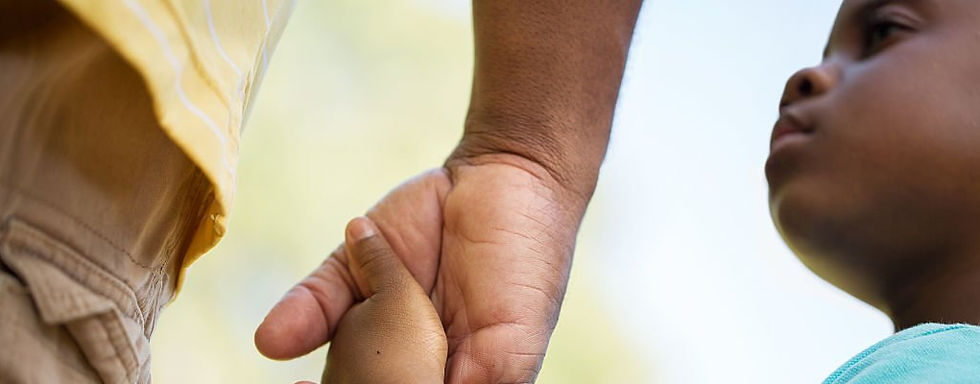
In response to the rapid, post-pandemic surge in tele-behavioral health demand, this project engineered a comprehensive, training curriculum for Old Dominion University’s Behavioral Health Workforce Education and Training (BHWET) program. Designed to equip future human services practitioners with evidence-informed, interprofessional competencies, the curriculum thoughtfully balances technical literacy with rigid ethical standards.
Child Welfare and Prenatal Alcohol Exposure: A Racial Equity Assessment
Representatives from the Transformative Solutions Lab worked with a national level team to conduct a racial equity assessment of a newly designed program model to address Prenatal Alcohol Exposure (PAE) within Child Welfare systems across 10 states. The assessment found that screening all children for PAE would initiate unintended consequences which would fail to address the underlying need, and it would disproportionately impact black and brown children and families.
Photo Voice in RVA's East End
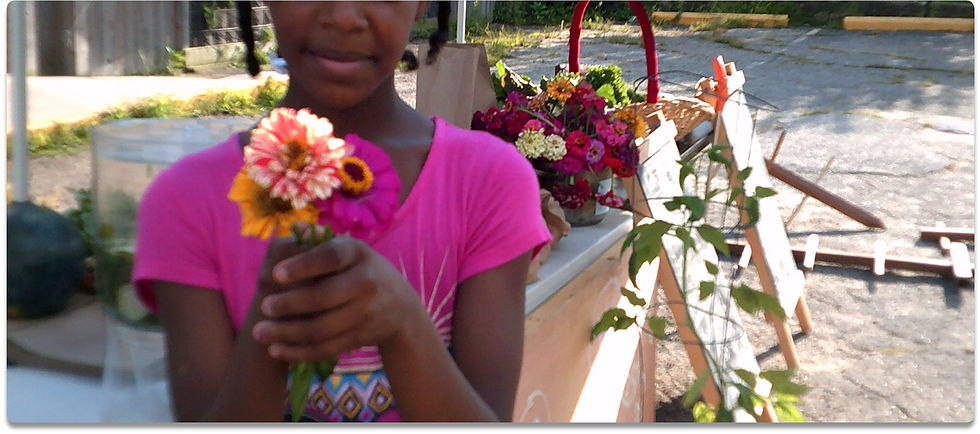
Partnering with the Neighborhood Resource Center of Greater Fulton (NRC) in Richmond, Virginia—a richly historic community severely impacted by various community challenges, this initiative used Photo-Voice, a creative model for community-based participatory research (CBPR) pioneered in community based public health studies. Seeking to dismantle the data-blind limitations of the traditional "black box" evaluation paradigm, the research combined positive youth development, community and family systems theories with qualitative Photo-Voice methodologies to holistically assess after-school programming and the impact of the community center’s community work with families in Greater Fulton.
Gentrification on Hallowed Ground: Youth Voice and Urban Renewal in Norfolk, VA
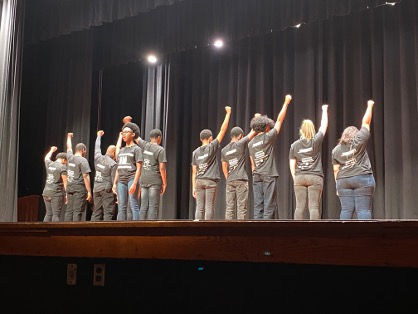
A broad coalition comprised of theatre students from Booker T. Washington Hight School, Virginia Stage Company’s Public Works Program, New Calvary Baptist Church, and Norfolk Public Schools came together to address the gentrification, urban renewal, and the looming ten-year plan to raze all public housing communities in Norfolk, VA. The project began as an initiative to elevate community consciousness and youth voice. After a series of sessions learning about the history of urban renewal in Norfolk over the last century, students took part in discussions about gentrification, urban renewal, and community. From concerns initiated within those dialogues, an idea for a devised theatre production, and a series of public forums was formed to address their concerns, harness their voices, and envision a sustainable, connected future.
Positive Youth Development and Suicide Prevention
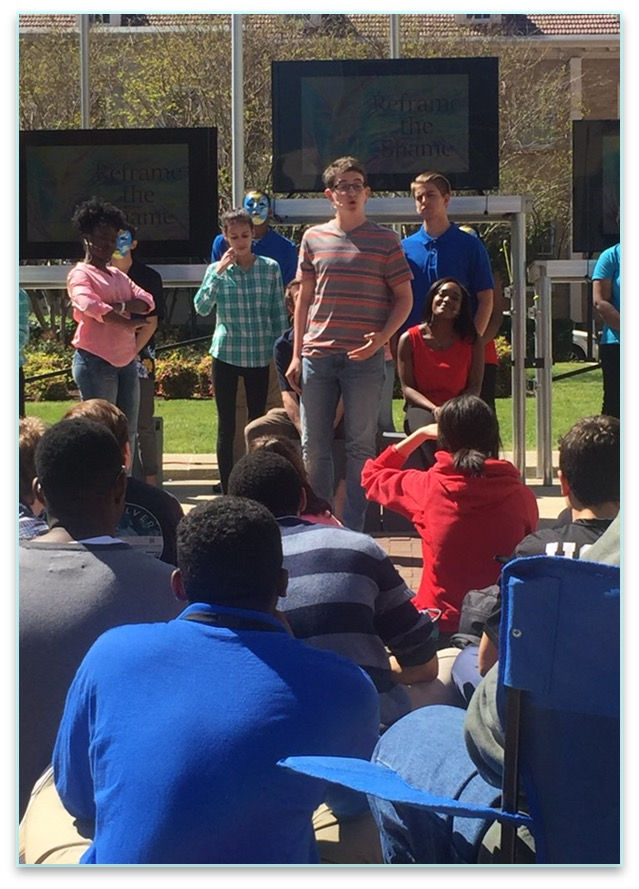
Partnering with the Governor’s School for the Arts, Eastern Virginia Medical School, and Sentara Health Systems, this project used an innovative model for Youth Participatory Action Research (YPAR) to confront the stigma of adolescent depression. The initiative utilized play building as a qualitative methodology to investigate how youth understand and navigate mental health challenges. Entitled, “Reframe the Shame”, the project bypassed standard silos to influence policymakers, educators, and community members directly.